
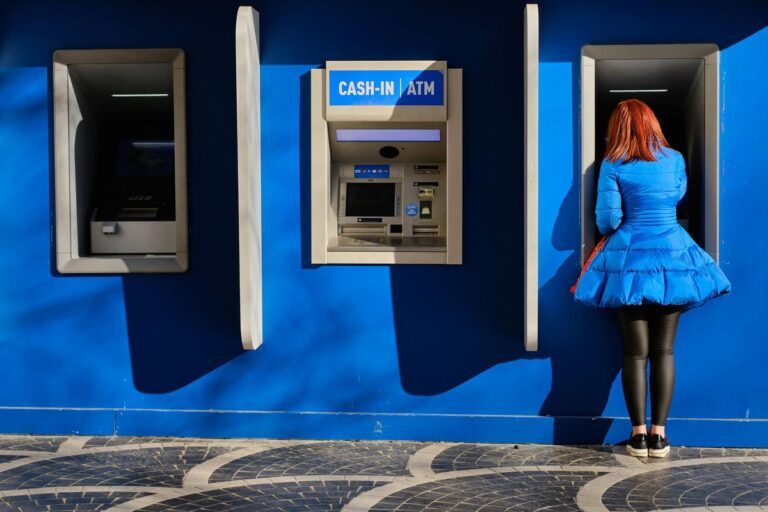
A lot of people keep all their money in a checking account out of habit or convenience. It is functional, but it typically means leaving interest on the table. Understanding when to use a high-yield savings account versus a checking account comes down to purpose, not amount.
What Checking Accounts Are For
Checking accounts are designed for transactions. They hold money you plan to spend in the near term: rent, utilities, groceries, regular bills. The tradeoffs built into checking accounts — typically lower interest, more fee structures — are offset by unlimited transactions and easy access.
Keeping only what you need for 30–45 days of expenses in checking is a reasonable approach. Anything beyond that amount is sitting there without earning much, when it could be somewhere more productive.
What High-Yield Savings Accounts Are For
High-yield savings accounts (HYSAs) offer significantly higher interest rates than standard savings or checking accounts — sometimes 10–20 times higher than national average savings rates. They are designed for money you want to preserve and grow but do not need for immediate transactions.
Common uses:
- Emergency fund (3–6 months of expenses)
- Saving toward a specific goal (car, home down payment, vacation)
- Short-term cash reserves above what you need in checking
The Federal Withdrawal Limit History
Savings accounts historically had a federal limit of six withdrawals per month (Regulation D). That regulation was suspended in 2020 and has not been reinstated, though individual banks may still impose their own limits. Check the account terms — some banks charge fees for excessive withdrawals from savings even without the federal requirement.
Where to Find High-Yield Savings Accounts
Online banks typically offer the highest savings rates. Without the overhead of physical branch networks, they can pass more of their earnings to depositors. Many well-known online banks consistently offer competitive rates.
Traditional brick-and-mortar banks generally offer much lower rates on savings accounts. Credit unions often fall somewhere between the two. If your primary bank offers poor savings rates, opening a separate HYSA at an online institution is straightforward and does not require closing your existing accounts.
Interest Rate Environment Considerations
HYSA rates are variable and tied to the broader interest rate environment. When central bank rates are high, savings rates tend to follow. When rates drop, savings account yields drop too. Checking rates periodically and being willing to move funds to a better option is a reasonable habit.
The Practical Setup
- Checking account for daily transactions and bill payments — keep 1–2 months of expenses here
- High-yield savings account for emergency fund and specific savings goals — link it to your checking for easy transfers
- When your checking balance exceeds what you need for the near term, move the excess to savings
Many people automate this: on payday, a fixed amount transfers automatically to savings, and only the remainder stays in checking. This treats saving as a recurring commitment rather than whatever is left at month end.
Taxes on Interest
Interest earned in a savings account is taxable income in the US. The bank will issue a 1099-INT if you earn $10 or more in interest during a tax year. On a large balance in a high-yield account, this can be a few hundred dollars of taxable income worth accounting for.
This does not negate the benefit of earning interest — it just means the net after taxes is slightly less than the gross rate suggests.
Opening a HYSA
Most high-yield savings accounts can be opened online in under 10 minutes. You will provide standard identification, fund the account via ACH transfer from an existing bank account (which takes 1–3 business days), and link the new account to your checking for future transfers.
There is minimal downside to having a separate savings account. The main friction is the few business days it takes to move money in an emergency, which is why keeping a small buffer in checking makes sense even for people with well-funded savings accounts.
