

Advertisements
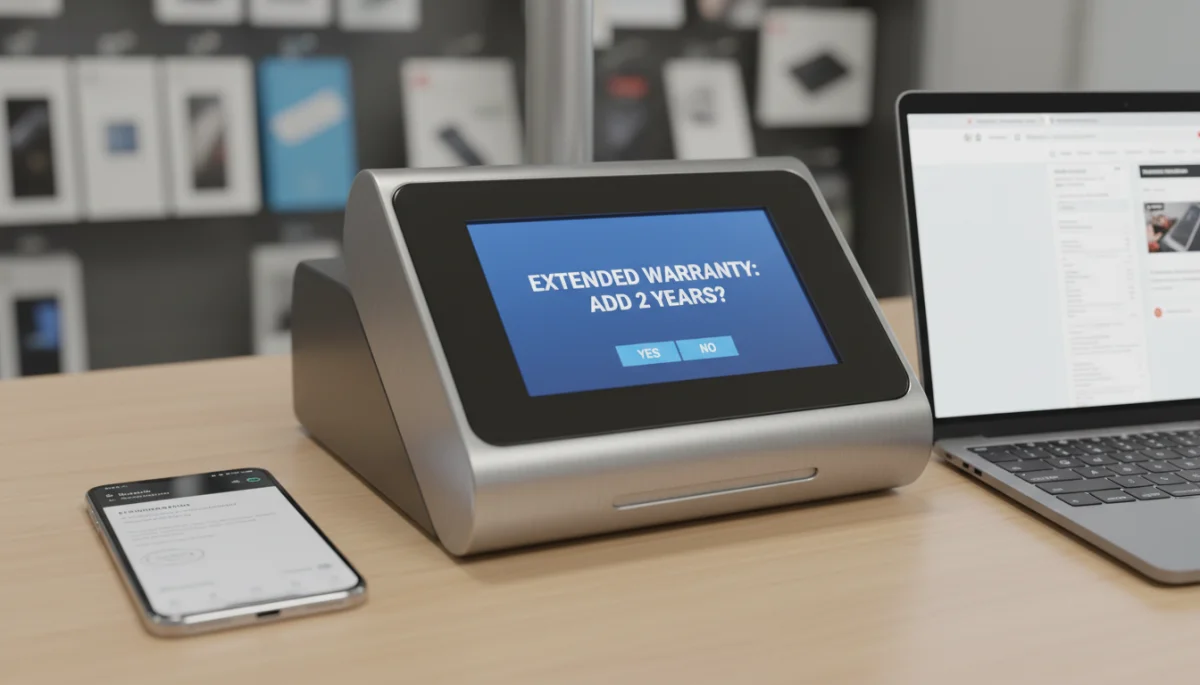
Standing at the checkout counter at Best Buy, Target, or Home Depot, you have almost certainly faced the standard pitch: add a two-year or three-year protection plan for a fraction of the purchase price. The sales associate frames it as peace of mind against accidental drops, mechanical failures, or unexpected power surges.
Retailers push these service contracts aggressively because they are among the highest-margin items in retail, with profit margins frequently exceeding 50%. For consumers, however, deciding whether to pay upfront for future repairs requires weighing the actual failure rates of the item against the true cost of replacement. This extended warranty guide outlines how protection plans work, which products justify the expense, and when you should simply pocket the difference.
How Extended Warranties and Service Contracts Actually Work
An extended warranty is technically an optional service contract regulated separately from manufacturer warranties. Under the federal Magnuson-Moss Warranty Act, manufacturer warranties are included in the purchase price to guarantee that a product is free from defects for a set period, typically 90 days to one year. An extended warranty begins either after that factory coverage expires or runs concurrently to cover specific incidents like accidental damage.
Most protection plans sold by major retailers are administered by third-party insurance providers, such as Asurion, Allstate (SquareTrade), or Assurant, rather than the retailer itself. These contracts contain specific terms, deductibles, claim limits, and exclusions that dictate how repairs are handled.
- Depreciation clauses: If an item cannot be repaired, some plans reimburse only the current market value rather than your original purchase price.
- Deductible fees: Many smartphone and laptop plans require a $50 to $150 deductible per incident before service begins.
- Authorized repair limits: You may be required to ship the item to a centralized depot or use designated technicians, leaving you without the device for weeks.
The Mathematics Behind Protection Plans
To evaluate whether a plan makes sense, compare the upfront plan fee plus any deductible against the statistical likelihood of failure and the expected repair cost. In most consumer product categories, failure rates during years two and three hover between 8% and 15%.
| Product Category | Typical Plan Cost | Average 3-Year Failure Rate | Standard Recommendation |
|---|---|---|---|
| Smartphones / Laptops | $150 – $280 | 18% – 24% (including drops) | Consider with high-risk use |
| Major Appliances | $120 – $250 | 12% – 18% | Skip; build repair fund |
| OLED / Premium 4K TVs | $100 – $300 | 5% – 8% | Skip (rarely covers burn-in) |
| Small Kitchen Electronics | $15 – $40 | 4% – 7% | Always skip |
When you purchase extended coverage on everyday items, you are paying an insurance premium on a low-probability event. Over years of buying multiple electronics and appliances, self-insuring by setting aside the unspent warranty money in a high-yield savings account almost always yields a positive financial return.
Free Coverage You Might Already Have
Before purchasing an add-on policy, check the existing protections provided by your payment method or retailer membership. Many consumers pay for duplicate coverage without realizing it.
Credit Card Extended Warranty Benefits
Many major credit cards issued by Chase, American Express, and Capital One automatically double the original U.S. manufacturer warranty by up to one additional year on eligible purchases paid entirely with the card. If a laptop carries a one-year factory warranty, your card issuer may cover repair or replacement costs up to $10,000 per claim during year two at zero additional cost.
Warehouse Club Guarantees
Retailers like Costco provide a second-year warranty for free on major appliances, televisions, and computers, effectively matching what many store-bought protection plans provide for a fee.
When Extended Warranties Are Worth Buying
There are limited scenarios where purchasing additional coverage is a rational financial decision. Consider a plan only when the product meets specific criteria regarding fragility, portability, and critical daily dependency.
- Fragile portable devices used heavily: Laptops carried daily by students or field workers and flagship smartphones carried without heavy cases benefit from accidental damage coverage (such as AppleCare+ or specialized third-party plans), where screen and liquid repairs easily exceed $300.
- High-end appliances with complex electronics: Modern refrigerators with touchscreens, dual compressors, or built-in ice dispensers fail at higher rates than basic mechanical models. A multi-year in-home service plan may justify its cost if labor rates in your metro area are steep.
- Products with known repair difficulty: Certain compact electronics have proprietary, soldered parts that third-party repair shops cannot service affordably.
When You Should Always Decline Coverage
For the vast majority of purchases, declining the upsell is the smartest move. Skip warranties on small home goods like blenders, coffee makers, power tools, and basic flat-screen televisions. These items have low initial component failure rates, and replacement costs rarely justify spending 20% to 30% of the purchase price on a service contract.
A Practical Framework for Checkout Decisions
The next time a sales associate asks if you want protection on your purchase, apply this simple three-part rule from this extended warranty guide:
- Verify if your credit card provides automatic warranty extension.
- Calculate if an unexpected replacement would cause financial hardship; if not, self-insure.
- If considering a plan, read the exclusions for accidental damage, wear and tear, and required deductibles before paying.
By declining low-value service contracts and reserving protection plans strictly for fragile, mission-critical equipment, you protect your household budget from unnecessary add-on fees while keeping your devices adequately secured.
