

Advertisements
Finding the lowest price online used to require opening dozens of browser tabs, comparing coupon aggregators, and manually checking price histories. Today, AI shopping assistants promise to automate that entire workflow by analyzing millions of product listings in seconds to spot price drops and verify promo codes.
Major tech platforms and retail giants have integrated these tools directly into search bars, browser extensions, and mobile apps. While the software can save time and uncover modest discounts, algorithmic price discovery has distinct limitations you should understand before relying entirely on automated recommendations.
How AI Shopping Assistants Search for Deals
Modern shopping tools use large language models and real-time web crawlers to monitor product catalogs, customer reviews, and merchant promotions. Instead of simply matching exact keywords, these tools parse unstructured data to understand product specifications, identify equivalent alternatives, and evaluate whether an advertised sale is genuine.
Most assistants deployed by companies like Google, Microsoft, Amazon (via its Rufus assistant), and standalone extensions like Capital One Shopping or PayPal Honey focus on three main tasks:
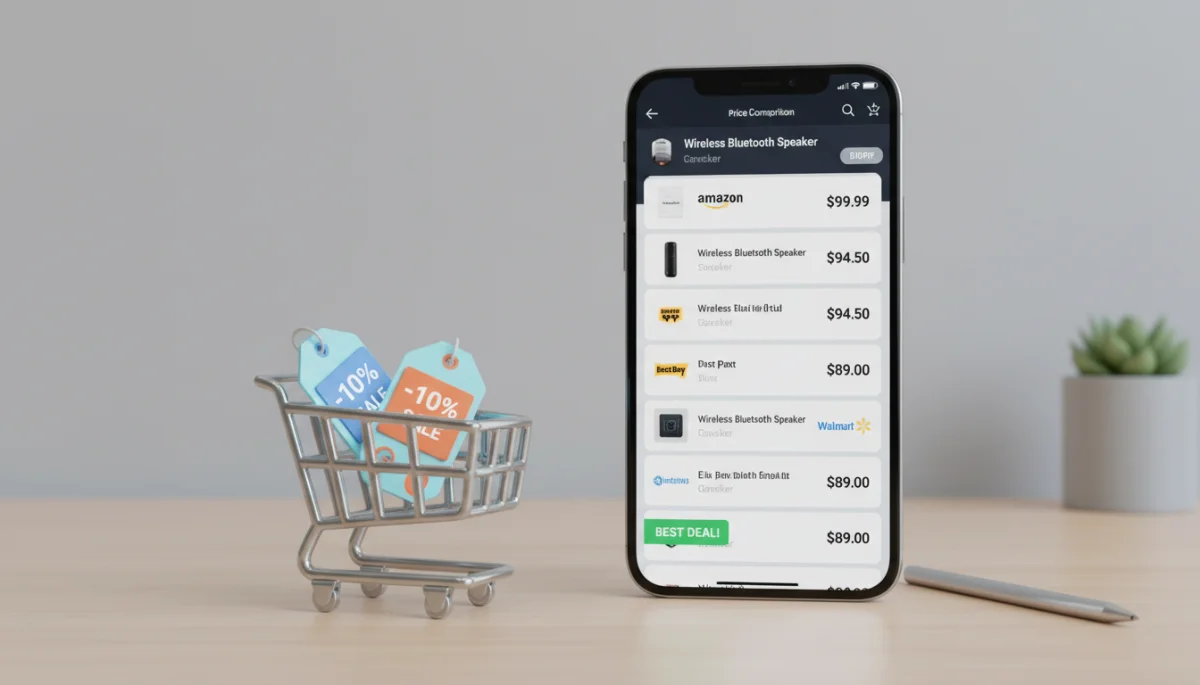
- Cross-merchant price comparison: Scraping major platforms such as Walmart, Target, Best Buy, and independent storefronts to find the lowest base price.
- Historical price verification: Checking past price points to confirm whether a “limited-time deal” is an actual discount or a routine price fluctuation.
- Automated promo application: Testing crowdsourced discount codes in the background during checkout to apply active savings.
Where AI Assistants Excel and Where They Fall Short
Automated shopping tools provide distinct advantages for commodity goods, electronics, and branded apparel. However, their reliability varies depending on merchant policies and data accessibility.
| Feature | AI Assistant Capability | Practical Reality |
|---|---|---|
| Cross-Store Comparisons | Scans dozens of major retailers simultaneously | Often misses members-only pricing (e.g., Costco, Sam’s Club) |
| Coupon Testing | Automates trial of dozens of promo codes | Frequently applies low-value affiliate codes over exclusive store promotions |
| Product Alternatives | Suggests cheaper items with identical specs | May prioritize sponsored listings or affiliate partners |
| Price History Tracking | Identifies seasonal low points and cyclical drops | Can struggle with dynamic pricing based on user location or account tiers |
The Trade-Offs: Affiliate Bias and Privacy
When using an automated shopping tool, it helps to understand the underlying business model. Most standalone shopping extensions and search assistants earn revenue through affiliate commissions. When an assistant directs you to a specific merchant or injects a coupon code at checkout, the tool’s developer typically collects a percentage of the sale from that retailer.
This incentive structure means an assistant may direct you toward an affiliate-partner merchant offering a small discount rather than an independent seller that has a lower standard price without an affiliate program. Furthermore, in-store native tools like Amazon’s Rufus are designed to keep purchases within that specific ecosystem rather than send you to a competitor.
Privacy is another consideration. Browser-based shopping assistants require broad permissions to read and modify data on the shopping websites you visit. This access allows them to track browsing patterns, cart contents, and purchase histories to refine their algorithms and ad targeting.
Best Practices for Getting the Lowest Price
To maximize your savings without overpaying or compromising your personal data, treat algorithmic assistants as a starting point rather than the final authority on pricing.
- Pair AI search with dedicated price trackers: Use established tracking tools like CamelCamelCamel or Keepa alongside AI summaries to verify true historical price lows on major platforms.
- Check warehouse clubs manually: Wholesale clubs and specialty retailers often block automated scrapers. Take thirty seconds to search membership portals directly before checking out elsewhere.
- Factor in shipping and membership perks: An assistant might flag an item that is $5 cheaper on an unfamiliar site, but standard shipping fees or return policies can quickly erase that price advantage.
- Use private windows for high-value items: Open a clean browser session to verify that personalized pricing algorithms are not adjusting prices based on your previous browsing history.
Making AI Shopping Assistants Work for Your Budget
Ultimately, AI shopping assistants are effective tools for cutting down research time and capturing easy discounts on everyday purchases. They handle the repetitive work of testing coupon codes and scanning multiple storefronts with minimal effort on your part.
For expensive electronics, home appliances, or large furniture orders, combine automated suggestions with quick manual checks at your preferred retailers. By understanding the incentives and limitations behind automated price discovery, you can secure the best actual price without relying blindly on an algorithm.
