

Advertisements
Producing video content often feels out of reach for small businesses with limited staff and modest budgets. Between shifting algorithms and high production standards on social feeds, deciding where to start can easily stall your marketing efforts.
You do not need a dedicated production crew or viral choreography to see meaningful business results. A focused short-form video strategy helps you reach new customers, demonstrate product value, and build trust using tools you already own.
Here is a practical, step-by-step roadmap to launch short-form video without burning out your team or draining your marketing budget.
Pick One Primary Platform First
Trying to maintain an active presence across TikTok, Instagram Reels, YouTube Shorts, and Facebook Reels simultaneously spreads thin resources too far. While you can repurpose finished files later, you should design your initial content for the single platform where your core audience spends the most time.
- TikTok: Best for reaching younger demographics (ages 18 to 34), discovery-driven algorithms, and casual, unpolished brand storytelling.
- Instagram Reels: Best for visual consumer brands, direct messaging sales conversations, and cross-promoting to an existing follower base.
- YouTube Shorts: Best for evergreen discovery, search-intent topics, and converting casual viewers into long-form video subscribers.
Select your primary network, learn its native editing interface, and commit to posting consistently there for 90 days before expanding your distribution.
Essential Gear and Production Costs
High-end cinema cameras and studio lighting packages are unnecessary for vertical social clips. In fact, overly polished commercial footage often performs worse than crisp, authentic smartphone video.
| Equipment Category | Recommended Starter Setup | Estimated Cost |
|---|---|---|
| Camera | Modern smartphone (iPhone or Android, 1080p/4K at 30fps) | $0 (using existing phone) |
| Audio | Wireless lavalier microphone (USB-C or Lightning) | $25 – $80 |
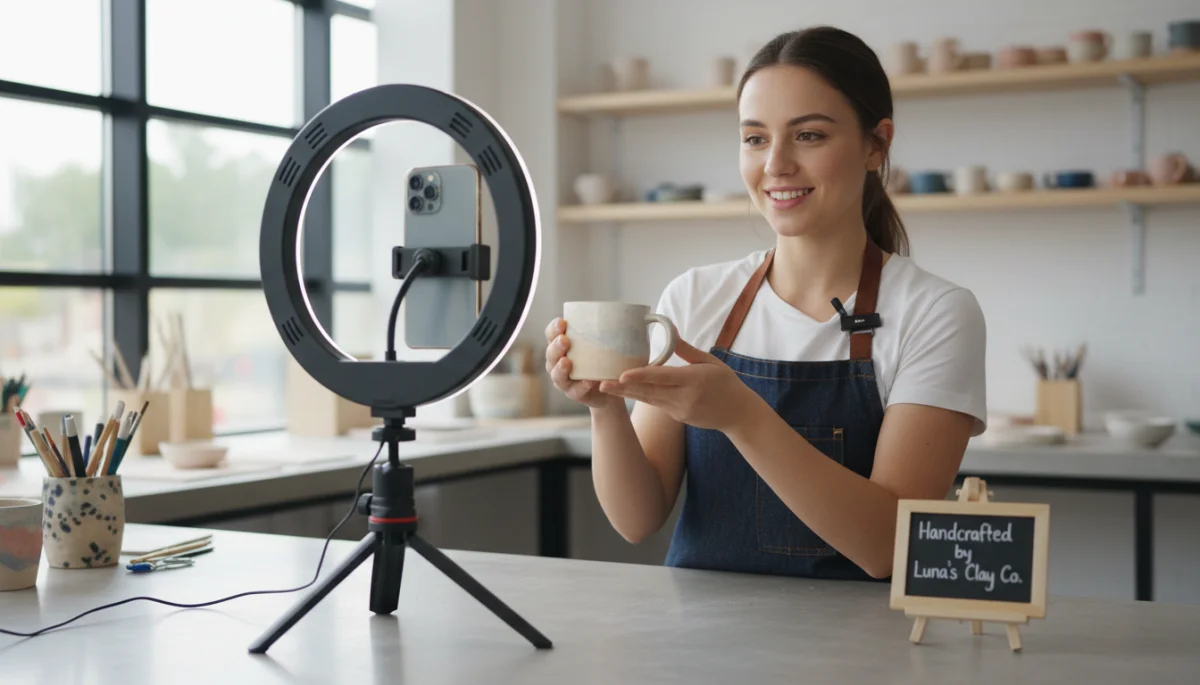
| Lighting | 10-inch ring light or softbox kit with adjustable stand | $30 – $60 |
| Editing Software | CapCut, InShot, or native app editors (free tier) | $0 – $10/month |
Audio clarity is far more important than 4K resolution. Viewers will scroll past a clip with echo or muffled sound immediately, making a modest external microphone your most valuable investment.
Three Reliable Formats for Small Brands
You do not need to invent new concepts every week. Instead, rotate between three proven content structures that provide clear value to potential customers.
1. The Problem-and-Solution Demo
Hook the viewer in the first three seconds by highlighting a common frustration your target audience faces. Spend the remaining 20 to 40 seconds demonstrating how your product or service solves that specific issue, followed by a simple call to action.
2. Behind-the-Scenes Transparency
Show how your product is manufactured, packaged, or fulfilled. Small brands hold a natural advantage over large corporations here: customers appreciate seeing the real people and care behind an independent business.
3. Frequently Asked Questions
Turn customer support inquiries, email questions, and review comments into standalone clips. Answer one question directly per video. This positions your brand as an approachable authority while reducing repetitive customer service messages.
Building a Realistic Short-Form Video Strategy
Consistency matters more than volume. Publishing two high-value videos per week on a reliable schedule yields better retention than posting daily for two weeks and quitting due to exhaustion.
Implement a batch-recording workflow to protect your time:
- Outline scripts (1 hour): Write bullet-point talking points for four videos once a month. Avoid reading verbatim scripts, which often sounds rigid on camera.
- Record in batches (2 hours): Film all four clips in a single session with fixed lighting and audio settings.
- Edit and schedule (2 hours): Add auto-captions, trim dead space, and schedule posts across your target days.
Always enable on-screen captions during editing. A significant portion of social media users browse feeds with their device audio muted, making readable text essential for watch time.
Next Steps for Your Short-Form Video Strategy
Review your performance monthly rather than checking view counts hourly. Focus on metrics that signal real interest—such as saves, shares, website link clicks, and direct inquiries—rather than vanity view totals from passive scrollers.
Start small: write down the top three questions your customers asked this week, set up your phone in natural window light, and record straightforward 30-second answers. Refining your approach through hands-on testing is the fastest way to build an effective video channel for your business.
