

Advertisements
When you reach the checkout screen at major retailers like Amazon, Target, or Walmart, you almost always see an option to split your purchase. Services such as Klarna, Afterpay, Affirm, and PayPal promise an easy way to take items home today while spreading the cost over several weeks without standard credit card interest.
These installment options feel convenient when you buy clothing, electronics, or home goods. However, breaking purchases into smaller installments introduces specific friction points that can disrupt your budget. Understanding how these plans function and evaluating the primary buy now pay later risks will help you decide whether to click that payment button.
How the Standard “Pay in 4” Model Works
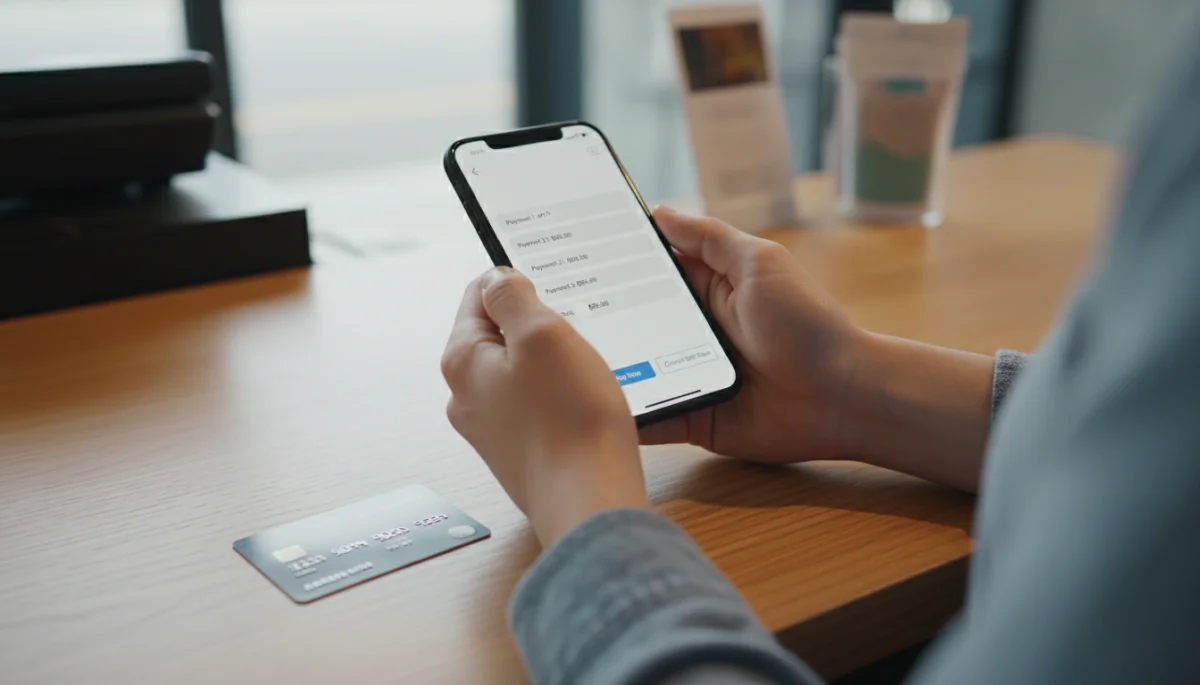
Most point-of-sale installment plans rely on a simple “pay in four” structure. You pay 25% of the total order value immediately, and the provider charges the remaining balance in three equal installments every two weeks over a six-week window.
For example, if you purchase a $200 winter coat at checkout:
- Today: $50 initial payment
- Week 2: $50 payment
- Week 4: $50 payment
- Week 6: $50 final payment
Most providers run a soft credit check that does not impact your credit score during approval. The merchant receives payment immediately from the lending provider, and the provider assumes the responsibility of collecting the scheduled installments from your linked debit card, credit card, or checking account.
The Real Buy Now Pay Later Risks to Watch
While interest-free payments sound harmless, installment apps change consumer psychology and make tracking expenses difficult. Here are the main risks consumers face when using these platforms.
1. Overspending and Phantom Debt
The Consumer Financial Protection Bureau (CFPB) has noted that breaking payments into smaller numbers reduces the psychological barrier to spending. A $160 cart total looks less intimidating when displayed as “four easy payments of $40.” If you manage multiple active plans across different stores, those small bi-weekly debits quickly stack up, creating unbudgeted strain on your primary checking account.
2. Complex Return and Refund Processes
Returning an item purchased through an installment service is rarely as fast as returning an item paid for with a standard credit card. You must ship the merchandise back to the store, but you remain obligated to make your scheduled installment payments until the retailer processes the return and informs the payment app. If there is a shipping delay or inventory dispute, you risk paying for an item you no longer possess.
3. Late Fees and Banking Overdrafts
Most providers auto-debit payments from your linked account. If your checking balance falls short when a scheduled draft occurs, you could face late fees from the service (typically $7 to $15 per missed installment) and standard overdraft or non-sufficient fund fees from your bank.
4. Inconsistent Credit Reporting
Traditional installment loans and revolving credit cards help consumers build a positive credit history when paid on time. Most standard pay-in-four platforms do not regularly report positive on-time payments to the major credit bureaus (Equifax, Experian, and TransUnion), but delinquent accounts sent to collections can appear and damage your credit profile.
Comparing Checkout Payment Methods
Before selecting a financing method for retail shopping, compare how installment services stack up against traditional payment options:
| Feature | Pay in 4 (BNPL) | Credit Card (Paid in Full) | Debit Card |
|---|---|---|---|
| Upfront Cost | 25% at checkout | $0 (due on statement date) | 100% immediately |
| Interest Rate | 0% for basic plans | 0% if balance is cleared monthly | None |
| Credit Building | Rarely reported | Yes (regular bureau updates) | No |
| Purchase Protection | Limited dispute options | Strong chargeback protections | Moderate bank protections |
Smarter Rules Before Using Installment Apps
Installment financing is not inherently bad, but it works best when treated as a budgeting tool for planned expenses rather than a way to buy things you cannot currently afford. Weighing the buy now pay later risks before you complete an order keeps your checkout process safe and manageable.
Before choosing a payment plan at checkout, apply these simple guidelines:
- Limit yourself to one active plan: Never start a new installment plan while you still have outstanding payments on an existing one.
- Avoid financing everyday consumables: Use cash or debit for groceries, takeout, and cosmetics rather than spreading small recurring costs over time.
- Verify the return policy first: Check whether the merchant provides store credit or original payment refunds for installment orders.
- Ensure funds are secured: Confirm that your checking account can cover all four installments immediately, regardless of future paychecks.
