

Advertisements
Online retail prices fluctuate far more often than price tags on store shelves. Major retailers like Amazon, Walmart, and Target rely on dynamic pricing algorithms that adjust item costs multiple times a day based on inventory levels, competitor rates, and overall consumer demand. For shoppers trying to secure a fair deal, keeping up with these shifts manually is nearly impossible.
This is where price tracking tools come into play. These applications monitor product pages around the clock, record pricing data, and notify you when an item drops to your target cost. Understanding how these trackers operate allows you to distinguish authentic sales from artificial discounts and make well-timed purchases.
How Price Tracking Tools Monitor Retailers
Most price tracking services operate through browser extensions, standalone websites, or mobile apps. They collect and organize pricing data using two primary methods:
- Automated web scraping: Trackers deploy software bots to read the publicly listed price, shipping fees, and availability of an item across retail product pages at scheduled intervals.
- Retailer API connections: Some tools pull pricing and product catalog updates directly from retail partner databases via authorized data feeds.
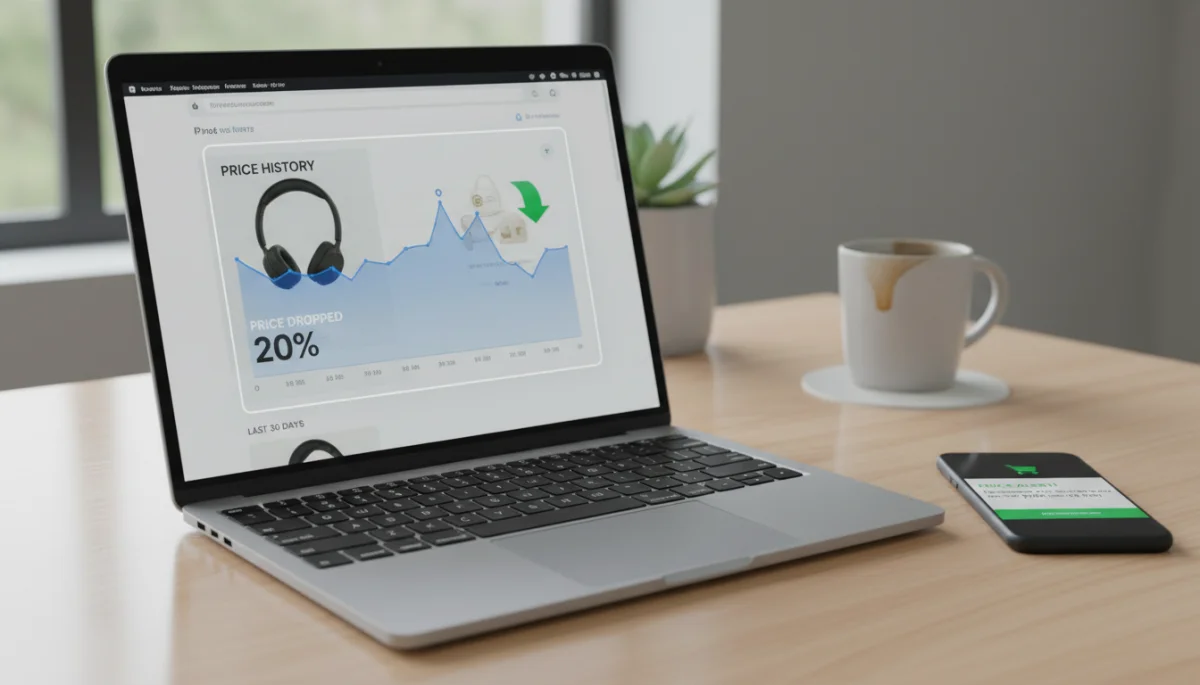
As the tool records daily and hourly numbers, it builds a historical price graph. This historical context is the most valuable feature of any tracker. When a retailer claims an item is “40% off,” a price history chart shows whether the previous price was genuinely standard or artificially inflated right before the promotion.
When to Use Price Tracking Tools
Price tracking is most effective for purchases where timing is flexible and baseline costs are substantial. It provides less utility for emergency needs or fast-moving low-cost goods.
High-Value Consumer Electronics
Laptops, televisions, noise-canceling headphones, and computer components experience frequent promotional cycles. A $1,200 television might drop to $950 three to four times a year. Setting an alert ensures you buy during a trough rather than a peak.
Major Appliances and Home Goods
Refrigerators, vacuums, and cookware sets often drop during standard holiday retail weekends (such as Memorial Day, Labor Day, and Black Friday). Tracking these items weeks in advance reveals if the holiday discount represents a genuine annual low.
Seasonal and Outdoor Gear
Items like lawnmowers, patio furniture, winter coats, and camping gear follow predictable off-season discount patterns. Trackers help you capture clearance pricing as retailers clear warehouse space.
Popular Tracking Tools and Core Capabilities
Different tools serve different retail ecosystems. Some focus entirely on a single marketplace, while others compare listings across multiple storefronts.
| Tool | Primary Coverage | Key Features | Best For |
|---|---|---|---|
| CamelCamelCamel | Amazon | Detailed historical graphs, price-drop email alerts, third-party vs. direct pricing. | Amazon-focused shoppers seeking deep historical data. |
| Keepa | Amazon (Global) | In-depth data overlays directly on product pages, international tracking, stock alerts. | Power users wanting granular data on Amazon listings. |
| Honey (PayPal) | Multi-retailer (Target, Walmart, Best Buy, etc.) | Drop list alerts, automatic coupon code application at checkout. | Casual shoppers browsing multiple general retailers. |
| Google Shopping | Multi-retailer | Broad web price comparison, basic price tracking alerts via Google account. | Comparing across independent stores and major chains. |
Limitations and Privacy Trade-Offs
While price trackers are straightforward to use, they have distinct limitations to keep in mind:
- Coupons and member discounts: Many tools track only the listed base price. They may miss on-page clip coupons, cart-level promo codes, or store-specific loyalty discounts (such as Target Circle or Amazon Prime-exclusive pricing).
- Third-party marketplace distortions: On open marketplaces, a low historical price may reflect a refurbished unit, a scam listing, or an out-of-stock third-party seller rather than direct inventory.
- Data sharing: Browser extensions require permissions to view page data to operate. Many monetize through affiliate links when you make a purchase. Check extension permissions and privacy policies before installing.
How to Get Started with Price Tracking
To implement price tracking efficiently, start by picking one or two tools that match where you shop most. When you identify a non-urgent product priced over $50, add it to your tracking list and set an alert threshold 15% to 20% below the current listing price.
By relying on historical data rather than promotional banners, price tracking tools give you direct control over your purchasing timing, ensuring you pay based on verified market trends rather than retailer urgency.
